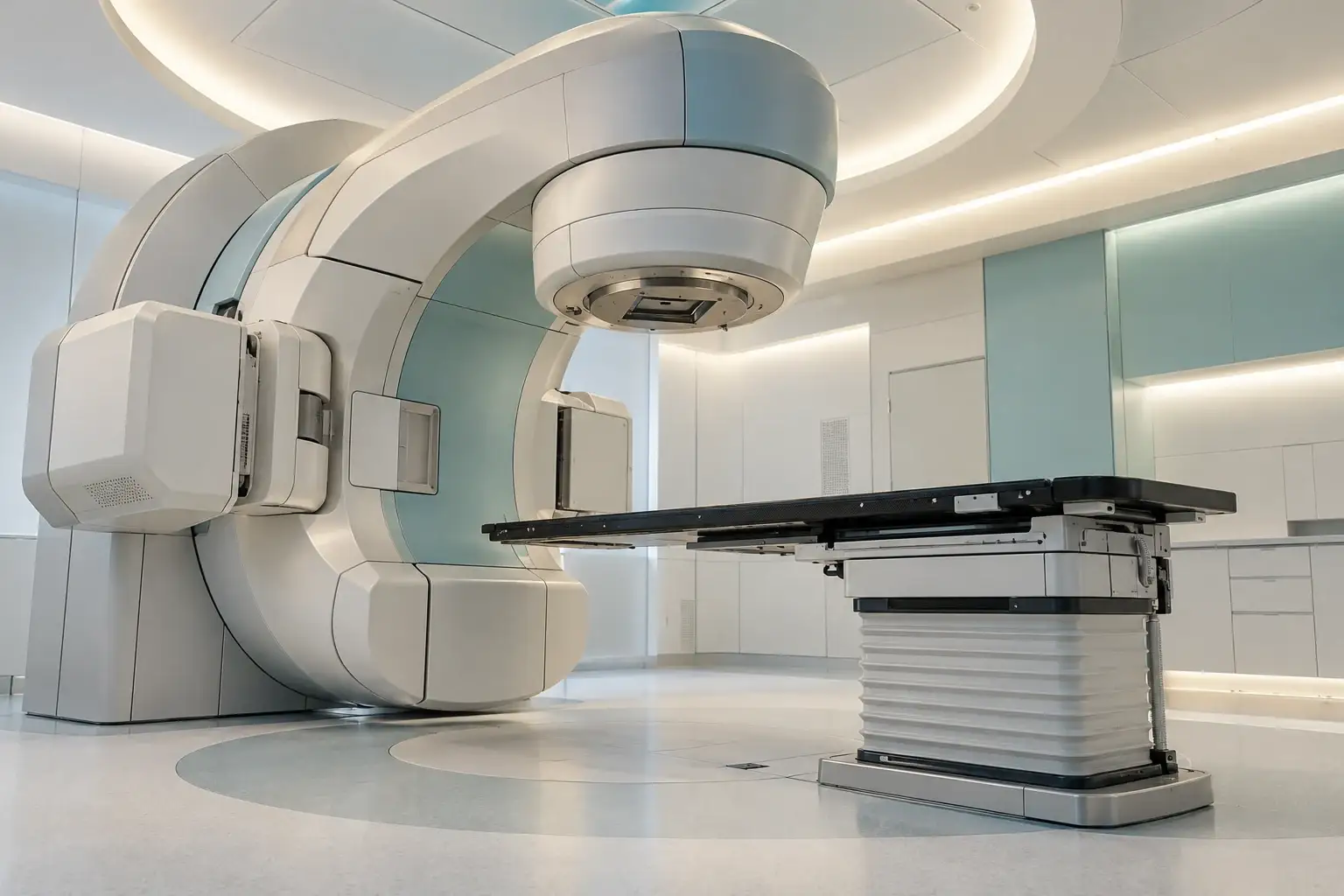
Define the purpose of cancer care in China
Before comparing institutions, write a short explanation of what you want the consultation to resolve. Are you asking for another opinion on an existing plan, a discussion of radiation options, or clarification of which specialty should assess the records? These are different requests. A focused question helps a receiving team explain what information is missing and helps your family judge whether the proposed visit addresses the original concern.
Keep the patient's priorities alongside the medical question. Ask how the consultation would consider daily functioning, communication needs and travel limits. Describe what has already been discussed with the treating doctor, including unresolved questions. You can request a review before selecting a new treatment; ask the team to explain the options you want to understand.
Prepare a history the team can follow
Preparation for external-beam radiotherapy includes discussing medical history, an examination and possible imaging. Ask the receiving hospital which existing records it needs: pathology reports, treatment summaries, original imaging files or previous radiation records may need review. Use these as questions when gathering your folder; each hospital sets its own admission requirements. You can begin by listing the records you already have and asking what is missing.
Consider arranging records chronologically and keeping original documents separate from translations. If a name appears differently across reports, explain the difference instead of altering the originals. Ask which language and file formats are acceptable, how the hospital wants records transferred, and who can discuss them with the patient’s permission. Keep any documents containing personal information for the agreed channel rather than attaching them to an initial general enquiry.
Understand what an MDT discussion can contribute
Heyou and Guangzhou Fosun Chancheng use a multidisciplinary team, or MDT, approach to diagnosis and treatment. This brings perspectives from different specialties into the discussion. It is a way of organising clinical opinions, rather than a machine or a separate cancer diagnosis, and requesting it leaves room to discuss the patient's existing plan. Start by asking how this approach would help answer your family's main question.
Ask which specialties might need to contribute and whether pathology or imaging review would come first. Find out who would explain the opinion and the next decision. You can also ask for a written summary and a way to include questions from your doctor at home. Discuss these arrangements for your own case so you know what the review would involve.
Match each technology to its hospital and campus
Heyou’s cancer centre lists a proton and heavy-ion system among its technologies. Ask about the current clinical pathway, assessment records and whether access involves routine care or a separate research process before planning travel for this technology.
Fosun's CyberKnife centre is at Foshan Chancheng. Guangzhou Fosun Chancheng uses MDT care; keep that information separate from the equipment in Foshan. Heyou's HyperArc is also a different name from CyberKnife. Record the city, institution and campus together so similar terms do not lead you to the wrong place. In Guangzhou, Sun Yat-sen University Cancer Center's radiation oncology department performs MRI-guided radiotherapy and stereotactic body radiotherapy (SBRT). SBRT is a technique, not another name for a particular CyberKnife machine. Ask the team whether either technique relates to the clinical question before selecting from an equipment list.
Separate a first consultation from a radiation plan
External-beam radiation is a local treatment, with assessment and treatment planning before it begins. Whether an approach is relevant depends on the patient's clinical situation. Ask what the team needs to establish before proposing a plan, and how it would explain the alternatives, so you can understand what the first consultation is meant to resolve.
For travel planning, ask the hospital to separate the initial appointment, additional assessment, planning, treatment discussions and later follow-up. Find out which steps require the patient to be there and which depend on records or examinations still to be reviewed. Scheduling depends on the cancer and the proposed plan, so session counts alone cannot set the length of stay. Sun Yat-sen University Cancer Center's radiation oncology department also performs three-dimensional brachytherapy. If it comes up, ask how its assessment and planning differ from external-beam treatment, and what remains to be decided about eligibility and the travel timetable.
Make communication and home care part of the enquiry
Choose a family contact if the patient wants someone to help with coordination, and ask how consent for that role should be recorded. Confirm how interpretation would be arranged for consultations and written explanations. Do not assume that an English-facing website means every document or conversation will be available in English, Arabic or another preferred language. Ask separately about accommodation-related needs, privacy and accompanying relatives.
Before departure, discuss what information the doctor at home would need after the review. Ask whether the receiving team can explain outstanding questions, planned reassessments and the route for later communication. Keep a list of reports still expected and who will follow them up. A coordinated visit should leave the family with a readable account of what was assessed, what remains undecided and which clinician should address the next question.
Prepare registration, arrival and reports
For a visit to Sun Yat-sen University Cancer Center, prepare the patient’s identity document, appointment confirmation and a list of expected reports. Contact The Treat for help arranging the appointment.
Prepare the patient’s own identity document
Passport holders and patients from Hong Kong, Macao or Taiwan need registration appropriate to their documents. International services can assist with the process; insurance eligibility requires a separate check.
Arrive before the appointment slot
The centre’s instructions call for arrival and check-in 30 minutes before the booked slot. Keep the appointment confirmation available and follow the arrival instructions supplied for your visit.
Keep track of outstanding reports
Ask when each examination report will be issued and how you will receive it. Save the results and list any reports still pending before leaving.
Questions to settle before confirming travel
- What is the main clinical question, and which department would assess it?
- Which records and translations should be prepared through the hospital's agreed channel?
- What is the exact hospital and campus, and what remains subject to individual assessment?
- Who would explain an MDT opinion and any proposed next steps?
- How would communication, accompanying-family needs and handover to the home doctor be arranged?
Common questions
Does a hospital listing proton or heavy-ion technology mean I can receive it?
Ask the clinical team about the current pathway, the records needed for assessment and whether the technology is relevant to your case. A facility listing leaves individual treatment access undecided. Keep the enquiry response with your planning notes and wait for a clinical plan before treating it as an accepted treatment arrangement.
Does requesting an MDT mean changing my current treatment?
An MDT is a way of bringing relevant specialties into a discussion. Ask what question it would answer and how its opinion would relate to the plan from your treating doctor. Requesting a review does not itself determine what should happen next.
Can I set my return flight from the advertised treatment schedule?
Ask which stages remain provisional, including assessment, planning and later review. The technology's treatment schedule alone cannot tell you how long the whole visit will take. Discuss a flexible return booking after the team has explained your pathway.
What should my first message include?
State the reason for an oncology review, your preferred language, intended city and main coordination question. Ask for the appropriate records channel before sending identifiable reports or images.
Discuss the next planning question
Contact The Treat for help arranging an oncology review. State your main question, preferred language and intended hospital if known. Ask for the appropriate document channel before sending private files.
Chat on WhatsAppSources
- 肿瘤医学中心和祐医院
- CyberKnife复星健康
- Guangzhou Fosun Chancheng Hospital (Xinshi Hospital)复星健康
- External Beam Radiation Therapy for CancerNational Cancer Institute
- 放疗科:科室简介中山大学肿瘤防治中心
- 预约挂号中山大学肿瘤防治中心
- 检验检查指引中山大学肿瘤防治中心
Information checked in October 2026.