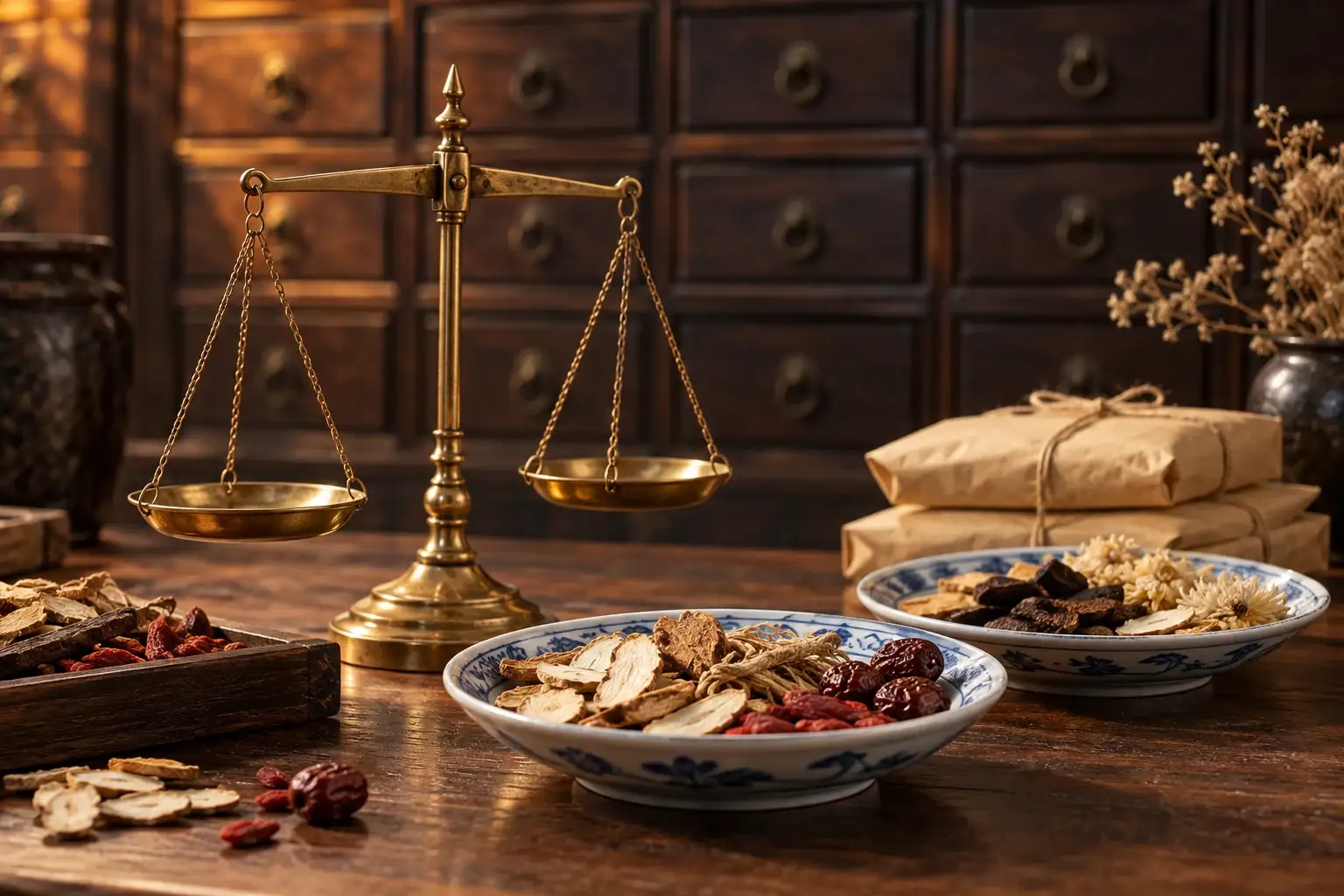
Understand traditional Chinese medicine in China before choosing a service
Traditional Chinese medicine includes physical approaches and herbal products. Acupuncture uses fine needles inserted into the skin. These approaches have different purposes and requirements, so a useful first step is to ask what a particular consultation involves and how the clinician would assess your needs.
State whether you want to discuss an existing concern, a previous recommendation or an assessment. Explain if your purpose is relaxation. A hospital consultation, relaxation activity and clinical rehabilitation have different scopes; confirm the department before choosing a technique.
Compare real departments with their actual scope
Guangdong Provincial Hospital of Chinese Medicine has a tuina department. Guangzhou United Family Hospital has separate traditional Chinese medicine and rehabilitative medicine services. Start by asking which department handles your question, then discuss appointment availability, the clinician's assessment and the language arrangements for your visit.
Guangzhou United Family's TCM service information particularly concerns postpartum care and includes acupuncture and massage. Keep that context when considering the service for yourself; it is not a general programme for every international visitor. If your purpose differs, ask whether the current scope includes your situation, who would conduct the consultation and what records to prepare before planning travel.
Distinguish tuina from a rehabilitation assessment
Hospital-based tuina takes place within a medical service. Guangzhou United Family's rehabilitation assessment can involve posture, gait, strength, endurance and flexibility, with approaches such as manual and exercise therapy. Rehabilitation therefore involves more than receiving a massage. Ask which aspects would be assessed and how the clinician would explain any proposed plan.
The First Affiliated Hospital of Guangzhou University of Chinese Medicine has acupuncture and tuina outpatient clinics, a rehabilitation treatment area and two wards. Its tuina service includes focused clinics for cervical spine problems and low-back/leg pain, combining TCM approaches with modern physical therapy. Use these distinctions to find the team that can assess your concern; outcomes and suitability still require individual discussion. If you already have a rehabilitation plan, ask how a new assessment and written handover would connect with it, and settle the location and current scope before arranging visits.
Bring an understandable account of existing care
Tell healthcare providers about complementary approaches you use so they can coordinate care. Prepare a brief, factual account of diagnoses recorded by your clinicians, current care, medicines and complementary products. Keep the original reports, with your own description of symptoms or goals clearly separate. Bring that account for discussion without changing medicines or starting a new product in preparation.
Ask the receiving department which documents it would find useful, whether translations are needed and how images or reports can be reviewed. A simple index can distinguish a clinician's report from your own description of symptoms or goals. If several relatives help, agree who keeps the current version and what the patient wants shared. For an initial general enquiry, describe the practical question first and establish an appropriate channel before sending sensitive medical records.
Ask clear questions about practitioners and safety
Nonsterile needles and improperly delivered acupuncture can cause serious harm; the words traditional or natural do not make a service risk-free. Ask about the practitioner, their training, infection-control arrangements and how concerns are handled. Use those answers to understand the practical arrangements rather than relying on a familiar treatment name or the appearance of a room.
Herbal products need a separate discussion because some have safety concerns. Discuss them with a healthcare provider, with particular care during pregnancy, breastfeeding and when considering care for children. Ask whether a product is proposed, what information the clinician needs and how it relates to existing care; a herbal prescription is not required at every TCM visit. Continue necessary conventional care without replacing or postponing it, and ask about any proposed product before using it.
Fit the consultation around language and travel needs
Before confirming the trip, ask about the campus, registration documents, appointment status and consultation language. Arabic or Indonesian interpretation needs its own arrangement; a service description alone leaves that question open. Discuss how the patient will understand clinical explanations and written instructions, including help from a companion and any matters the patient wishes to keep private.
Ask whether a companion can attend, how privacy requests are handled and whom to approach about dietary or other personal needs. An international label alone cannot answer these questions. Keep the itinerary flexible until assessment clarifies what is proposed. A coordinator can organise questions and logistics, while the clinical team explains the individual plan; record the agreed arrangements for both.
Plan continuity instead of collecting a package
If a plan is discussed, ask about its purpose, how it would be reviewed and what documents you could receive. Explain your travel constraints, then discuss the assessment findings with your usual clinician before arranging further care.
Request findings, summaries and follow-up information in a form your home clinician can use. Keep clinical instructions separate from travel notes and retain the originals with translations. If you are to continue exercises at home, ask the treating team for written steps and precautions suited to you, and follow those instructions. If you plan to continue elsewhere, discuss the handover and tell each provider about complementary care so the teams can work with the same information.
Prepare a TCM appointment
For a visit to Guangdong Provincial Hospital of Chinese Medicine, prepare the service you want to discuss, your identity document and current medical records. Contact The Treat for help arranging the appointment.
Identify the department
Acupuncture, tuina and rehabilitation have different scopes. State your main question so the receiving service can identify the department for assessment.
Prepare identity registration
Public hospitals usually need a patient file linked to your passport or other accepted document. International services can help clarify the requirements, including how to identify an existing record.
Check changes before travel
Confirm the appointment date and the conditions for changing or cancelling it. Keep those conditions with your travel plans and request assistance if your schedule changes.
A practical consultation checklist
- What am I hoping to understand, in my own words?
- Which department should assess the question, and what does its service cover?
- Who will provide the assessment or proposed care?
- Which records, medicines and complementary products should I describe?
- How will language, privacy and companion needs be confirmed?
- What written information can connect the visit with care at home?
Common questions
Are acupuncture, tuina and rehabilitation the same service?
They are distinct services with different approaches to assessment. Explain what you want from the visit, then ask which department should assess it and whether an appointment is available for your situation.
Does a TCM consultation require herbal products?
Do not assume so. Traditional Chinese medicine includes different approaches, and any proposed product deserves a separate discussion with the clinician. Describe medicines and complementary products already used, and ask the clinician how any proposed product relates to your existing care before making changes.
Can I arrange a standard wellness course around my holiday?
Explain your itinerary and ask what can reasonably be assessed before making further commitments. A fixed travel plan does not determine a clinical plan. Ask the clinician how any proposed care would be reviewed and what follow-up you might need before planning further appointments.
Will there be Arabic or Indonesian support?
Ask about the consultation language and written communication, including what help can be provided and what you may need to arrange. Discuss a preferred practitioner, dietary needs or privacy requests in the same way, then record the arrangements you intend to rely on.
Describe the visit you want to understand
Contact The Treat for help arranging a TCM consultation. State your main question, preferred language and intended hospital if known. Ask for the appropriate document channel before sending private files.
Chat on WhatsAppSources
- 推拿科广东省中医院
- Acupuncture: Effectiveness and Safety美国国立卫生研究院NCCIH
- Traditional Chinese Medicine: What You Need To Know美国国立卫生研究院NCCIH
- Rehabilitative Medicine广州和睦家医院
- Traditional Chinese Medicine (TCM)广州和睦家医院
- 推拿门诊简介广州中医药大学第一附属医院
- 针灸推拿康复中心广州中医药大学第一附属医院
- 预约挂号广东省中医院
Information checked in October 2026.